
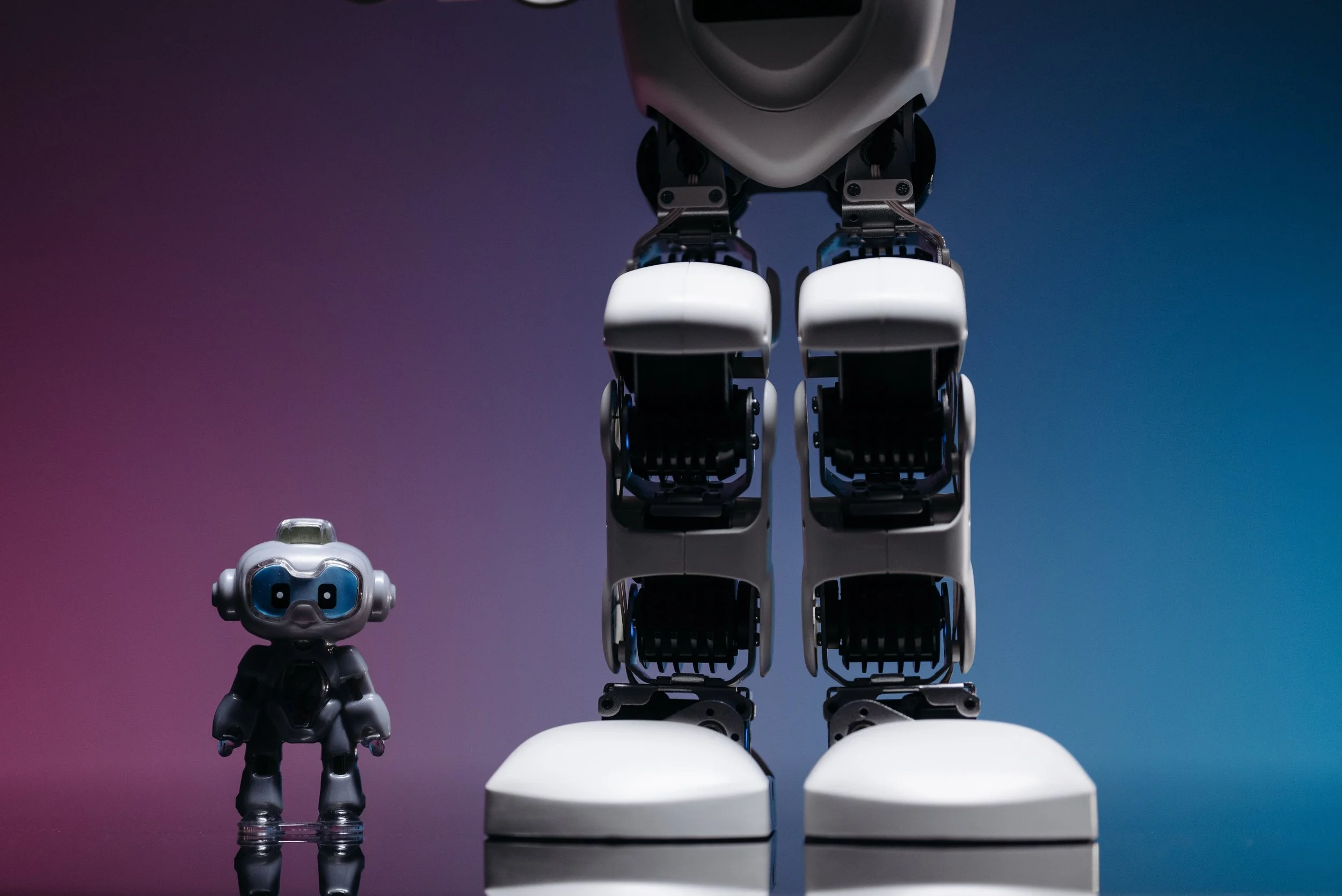
What Is the Unitree H1? A Guide to the Full-Size Humanoid Robot
Humanoid robots have moved rapidly from science-fiction concepts to sophisticated machines capable of walking, running, navigating complex environments and supporting real-world research. One of the most exciting examples of this development is the Unitree H1, a full-size humanoid robot designed to combine dynamic movement, powerful joints, advanced sensing and a development-friendly robotics platform.
Humanoid robots have moved rapidly from science-fiction concepts to sophisticated machines capable of walking, running, navigating complex environments and supporting real-world research. One of the most exciting examples of this development is the Unitree H1, a full-size humanoid robot designed to combine dynamic movement, powerful joints, advanced sensing and a development-friendly robotics platform.
Standing approximately 1.8 metres tall, the Unitree H1 has human-like proportions while incorporating technology designed for considerably more demanding robotic applications. Its combination of speed, strength, perception and programmability makes the H1 particularly interesting for universities, robotics laboratories, technology companies and organisations investigating the future of humanoid automation.
But what exactly is the Unitree H1, how does it work best, and what could it be used for?
What Is the Unitree H1?
The Unitree H1 is a full-size general-purpose humanoid robot developed by Unitree Robotics. Unlike Unitree's well-known quadruped robots, the H1 uses a bipedal design, allowing it to stand and move on two legs in a manner broadly comparable to a human.
The robot measures approximately 180 cm tall and weighs around 47 kg. Despite its relatively lightweight construction for a full-size humanoid, the H1 incorporates extremely powerful electric joint motors.
One of its defining characteristics is mobility. Unitree specifies a moving speed of approximately 3.3 metres per second, with potential mobility exceeding 5 m/s as the platform develops.
The objective extends beyond simply creating a robot capable of walking. H1 provides a platform through which developers and researchers can investigate autonomous navigation, humanoid locomotion, embodied artificial intelligence and eventually practical tasks in environments originally designed around people.
How Does the Unitree H1 Move?
Making a humanoid robot walk reliably is significantly more difficult than it might initially appear.
Humans constantly make tiny adjustments to balance as we move. A humanoid robot needs to reproduce this process using motors, sensors, control algorithms and extremely fast calculations.
The H1 uses powerful electric joint motors throughout its legs and body to create dynamic movement. Its core joints use low-inertia, high-speed internal rotor permanent magnet synchronous motors.
Each leg incorporates five degrees of freedom, covering movement through the hip, knee and ankle.
This arrangement allows the robot to continuously adjust its posture and balance while moving. The result is a machine capable of walking dynamically rather than simply following a slow, rigid sequence of predefined movements.
This capability is important because many future applications for humanoid robots will require operation in environments containing uneven surfaces, obstacles and other conditions that cannot always be predicted beforehand.
How Fast Is the Unitree H1?
Speed is one of the H1's most impressive characteristics.
Unitree lists a moving speed of approximately 3.3 m/s, while stating that the platform has potential mobility exceeding 5 m/s.
For a full-size bipedal robot, achieving these speeds requires considerably more than powerful motors. The robot must simultaneously control balance, foot placement, momentum and joint movement.
Fast and stable locomotion potentially expands the range of environments in which humanoid robots can eventually operate.
A robot capable of moving dynamically could be significantly more useful in industrial inspection, research, emergency response and other applications than a platform limited to extremely slow walking.
Mobility is therefore not simply about producing impressive demonstrations. It represents one of the fundamental capabilities required before humanoid robots can become genuinely useful autonomous machines.
Powerful Robotic Joints
Strength is another major feature of the Unitree H1.
The robot's knee joint can produce approximately 360 Nm of maximum torque, while the hip joint can reach approximately 220 Nm. Unitree also specifies a peak torque density of 189 Nm/kg.
These high-torque joints give the H1 the ability to perform dynamic movements while maintaining its balance.
Strong actuators are particularly important for humanoid robots because the motors must continually support and reposition the robot's body weight. During walking, running or sudden changes in direction, forces passing through individual joints can become considerable.
Powerful joints could also become increasingly important as humanoid platforms evolve towards applications involving lifting, carrying and manipulating objects.
How Does the Unitree H1 See Its Environment?
Movement alone isn't enough for an autonomous robot.
To navigate successfully, the H1 needs to understand what surrounds it. For this reason, Unitree equips the platform with a combination of 3D LiDAR and a depth camera.
LiDAR works by measuring distances using laser light. By repeatedly measuring surrounding objects, the system can construct detailed spatial information about the robot's environment.
The depth camera provides complementary visual and distance information.
Together, these technologies give the H1 360-degree depth-sensing capabilities and provide the information necessary for functions such as:
Mapping an environment
Detecting obstacles
Estimating distances
Identifying navigable routes
Supporting autonomous movement
Gathering environmental data
These capabilities make the H1 particularly interesting for robotics research involving autonomous navigation and perception.
Computing and Development
One reason humanoid robots such as the H1 are particularly exciting for researchers is that the physical robot is only part of the system.
Software determines how the machine interprets sensor information, plans movements, responds to its environment and performs tasks.
The H1 provides onboard computing designed to support both the robot's platform functions and user development. Unitree's specifications include Intel Core processors, with optional additional computing configurations available depending on the application.
For robotics developers, this creates opportunities to explore areas including computer vision, motion planning, autonomous navigation, machine learning and embodied AI.
RoboWorks also highlights support for technologies including ROS2, Python and C++, making the platform relevant to established robotics development workflows.
Rather than being restricted to predetermined demonstrations, the H1 can therefore provide a sophisticated physical platform on which organisations can develop and test their own robotic systems.
Battery and Power
Mobile robots need to balance performance against battery capacity and weight.
The Unitree H1 incorporates a 15 Ah, 0.864 kWh battery with a maximum voltage of 67.2 V.
Importantly, the battery is designed to be quickly replaceable.
Replaceable batteries can be particularly useful in research and commercial environments because a depleted battery can potentially be exchanged rather than leaving the robot inactive for an extended charging period.
As with most advanced mobile robotics platforms, actual operating time will depend heavily on how the robot is being used. Continuous dynamic movement will naturally consume considerably more energy than lower-intensity operation.
What Can the Unitree H1 Be Used For?
Humanoid robotics remains a developing field, meaning the H1 should be considered as much a platform for experimentation and development as a finished solution for everyday automation.
Nevertheless, its capabilities point towards several particularly interesting applications.
Robotics Research
Research is perhaps one of the most obvious applications.
Universities, robotics laboratories and technology companies can use humanoid platforms to investigate locomotion, artificial intelligence, perception, balance, control systems and human-robot interaction.
Instead of developing an entire humanoid robot from scratch, researchers can begin with an advanced physical platform and concentrate on the software or application they want to investigate.
Education
Advanced humanoid robots can also play an important role in higher education.
Students studying robotics, engineering, computer science and artificial intelligence can gain practical experience with technologies that are likely to become increasingly important.
Working with physical robots also introduces challenges that simulations cannot completely reproduce. Sensors encounter noise, motors have physical limitations and real environments are inherently unpredictable.
These challenges make platforms such as the H1 valuable tools for advanced robotics education.
Industrial Research and Automation
Factories and warehouses are largely designed around human workers. Stairs, tools, shelves, doors and workstations generally assume human proportions and movement.
That creates an interesting argument for humanoid robots.
Rather than completely redesigning an environment for specialised automation equipment, future humanoid robots could potentially operate within existing human-oriented workplaces.
The H1's mobility and powerful actuators make it a useful platform for investigating these possibilities.
Inspection and Hazardous Environments
Advanced perception combined with bipedal movement could also make humanoid robots valuable for inspection.
Industrial sites, infrastructure facilities and hazardous environments sometimes require people to enter areas containing potential risks.
A remotely operated or increasingly autonomous humanoid robot could potentially gather sensor information while reducing the need for direct human exposure.
The H1's combination of LiDAR, depth sensing and dynamic movement makes this an especially interesting area for future development.
Why Build Robots in the Human Form?
A reasonable question is why engineers would make robots humanoid at all.
Wheels are simpler and generally more efficient. Four-legged robots can provide excellent stability. Industrial robot arms already perform manufacturing tasks with extraordinary precision.
The advantage of the humanoid form is the environment around us.
Our buildings, factories and infrastructure have been designed primarily for humans. Doors have handles positioned for human hands. Stairs match human legs. Shelves and switches are installed at human-accessible heights.
A sufficiently capable humanoid robot could theoretically interact with this infrastructure without requiring every workplace to be redesigned around automation.
That is one reason the race to develop practical humanoid robots has become such an important area of modern robotics research.
Is the Unitree H1 Fully Autonomous?
It is important to distinguish between the impressive capabilities of modern humanoid robots and the long-term vision of completely autonomous general-purpose machines.
Humanoid robotics is still an emerging technology.
The H1 provides sophisticated mobility, sensing, computing and development capabilities, but individual applications still require appropriate software, integration, testing and safety measures.
Unitree itself notes that the global humanoid robotics industry remains in an early stage of exploration.
That distinction is important for organisations considering an advanced robot. Today's humanoid platforms are exceptionally capable research and development machines, but they should not be confused with science-fiction robots capable of independently performing any task a person requests.
The significance of H1 is that it provides many of the physical capabilities developers need to move closer towards that future.
The Unitree H1 and the Future of Humanoid Robotics
Humanoid robotics is progressing quickly as developments in artificial intelligence, computer vision, batteries, electric motors and computing converge.
The Unitree H1 demonstrates just how far the physical side of humanoid robotics has already progressed.
A roughly human-sized machine capable of dynamically walking and running while using LiDAR and depth cameras to perceive its surroundings would have seemed extraordinarily ambitious only a relatively short time ago.
Today, platforms such as the H1 allow researchers and developers to experiment with these capabilities directly.
The next major challenge is combining increasingly sophisticated physical robots with AI systems capable of understanding environments, making decisions and completing useful tasks reliably.
This intersection between robotics and artificial intelligence — often described as embodied AI — could ultimately be where humanoid robots demonstrate their greatest potential.
Explore Advanced Robotics with RoboWorks
The Unitree H1 represents a major step forward in full-size humanoid robotics, combining impressive mobility with powerful actuators, sophisticated environmental sensing and extensive opportunities for further software development.
From universities and robotics laboratories to industrial R&D and advanced automation projects, the H1 provides a powerful platform for organisations wanting to investigate what the next generation of humanoid robots can achieve.
RoboWorks provides advanced robotic platforms for education, research, development and professional applications, helping organisations access the technologies shaping the future of robotics.
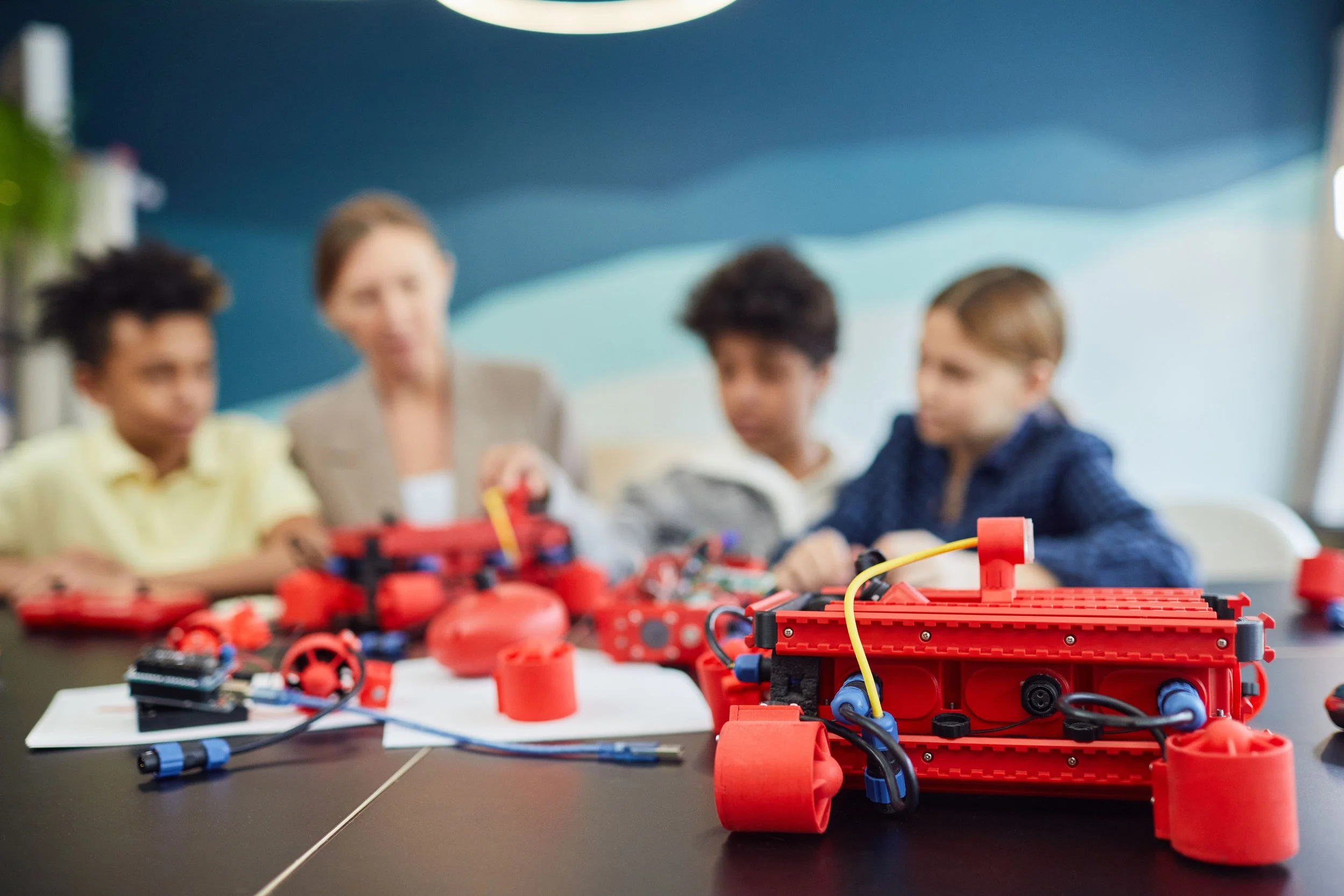
Why Universities Are Choosing ROS-Based Robots for Robotics Education
Robotics education is changing rapidly. Universities are moving beyond traditional lectures and simulation-only courses toward practical laboratories where students can develop, test, and deploy autonomous systems on real hardware. At the center of this transition is the ROS robot (Rosbot)— a robotic platform built around or compatible with the Robot Operating System (ROS).
Robotics education is changing rapidly. Universities are moving beyond traditional lectures and simulation-only courses toward practical laboratories where students can develop, test, and deploy autonomous systems on real hardware. At the center of this transition is the ROS robot (Rosbot) — a robotic platform built around or compatible with the Robot Operating System (ROS).
ROS provides an open-source collection of software libraries, development tools, communication mechanisms, and robotics packages that help developers build robotic applications. The ROS project describes the platform as an open-source software development kit that provides a common software platform spanning research, prototyping, deployment, and production.
For universities, this makes ROS-based robots particularly valuable. Instead of teaching robotics through isolated proprietary systems, educators can expose students to an ecosystem that connects programming, sensing, navigation, mapping, artificial intelligence, computer vision, and autonomous control.
As universities look for ways to make robotics programs a lot more practical and relevant to modern engineering, ROS robots are becoming an increasingly compelling educational platform.
What Is a ROS Robot?
A ROS robot is a robotic platform designed to work with ROS or ROS 2. Depending on the platform, it may combine motors, motor controllers, an onboard computer, cameras, LiDAR, IMUs, encoders, and other sensors with ROS-compatible software.
Rather than requiring students to develop every software component from scratch, ROS provides a modular architecture through which different parts of a robotic system can communicate.
Students can therefore concentrate on concepts such as:
Autonomous navigation
Simultaneous Localization and Mapping (SLAM)
Computer vision
Sensor fusion
Motion planning
Artificial intelligence
Human-robot interaction
Multi-robot systems
A platform such as a ROS-compatible autonomous mobile robot gives students an opportunity to see these concepts operate on physical hardware.
ROS-compatible platforms offered by Roboworks, for example, are intended for areas including education, research, and autonomous mobile robot development. Roboworks describes its Rosbot platforms as combining components such as onboard computing, LiDAR, cameras, motor controllers, and power management into ready-to-use systems.
This integration is particularly useful in education because students can spend more laboratory time learning robotics rather than assembling a complete hardware platform before meaningful experimentation can begin.
1. ROS Connects Theory With Hands-On Robotics
One of the greatest challenges in teaching robotics is turning mathematical and software concepts into something students can see operating in the physical world.
Students might learn localization algorithms in a lecture, for example, but implementing localization on a mobile robot forces them to consider sensor noise, wheel slip, environmental changes, imperfect measurements, and computational constraints.
A ROS robot creates this bridge between theory and practice.
Students can write software, run it on an actual robot, observe the results, diagnose problems, modify their algorithms, and test again. The robot becomes a physical laboratory for concepts that might otherwise remain abstract.
This approach can make courses in autonomous systems, mechatronics, artificial intelligence, and computer engineering considerably more practical.
2. Students Learn Technology Used Beyond the Classroom
Universities must prepare students not only to pass examinations but also to work with modern engineering technologies.
ROS is especially relevant because its ecosystem extends well beyond education. The ROS project notes that ROS is widely used for robotics teaching and research while also providing a pathway from research and prototyping toward deployment and production.
That means students working with ROS are learning more than the behavior of one educational robot.
They are developing transferable skills involving Linux, Python or C++, distributed software architectures, sensors, debugging, robotics middleware, visualization, simulation, and autonomous systems.
For students pursuing careers in robotics, autonomous vehicles, warehouse automation, intelligent manufacturing, service robotics, or AI, this experience can provide a valuable foundation.
3. ROS Offers a Large Open-Source Ecosystem
Another major advantage is the open-source nature of ROS.
The official ROS 2 documentation describes ROS as a collection of software libraries and tools for building robot applications, covering everything from hardware drivers to sophisticated algorithms and developer tools.
For educators, this means a course does not need to start with an empty software environment.
Students can explore existing packages and then learn how individual components interact. More advanced students can modify packages, develop their own nodes, integrate additional sensors, or create completely new applications.
This encourages an important engineering skill: learning how to build upon existing systems rather than unnecessarily recreating every component.
It also gives students exposure to open-source development practices, documentation, repositories, community support, and collaborative software development.
4. One Robot Can Support Multiple Courses
University robotics equipment represents a significant investment, so versatility matters.
A well-designed ROS robot can potentially support several subjects and levels of study.
An introductory class might use the platform to teach basic robot movement, ROS nodes, topics, publishers, subscribers, and sensor data.
A more advanced course could use the same platform for SLAM, autonomous navigation, path planning, perception, or machine learning.
Graduate students might use it for research involving multi-robot coordination, autonomous decision-making, human-robot interaction, or novel navigation algorithms.
This ability to reuse the same platform across different courses can make ROS-based robots attractive to engineering departments building or expanding robotics laboratories.
5. ROS Supports Simulation-to-Real-Robot Learning
Simulation is extremely useful in robotics education. Students can test algorithms without damaging hardware and can repeat experiments under controlled conditions.
However, simulation alone cannot reproduce every challenge found in the physical world.
ROS-based education can help connect these two environments.
Students can begin an experiment in a compatible simulator, verify the basic behavior of their software, and then transfer the project to a physical ROS robot.
This simulation-to-hardware workflow was specifically highlighted by educators participating in a ROSCon UK 2025 workshop on teaching robotics with ROS 2. Among the workshop's key outcomes was the importance of connecting simulation and real hardware so learners develop practical intuition.
For students, the difference between simulated success and real-world performance becomes a valuable lesson in itself.
6. ROS Robots Encourage Project-Based Learning
Robotics is particularly suited to project-based education because it combines multiple engineering disciplines.
A university can organize a ROS robot course around increasingly challenging projects.
Students might begin by programming basic movement and reading sensor information. They could then develop obstacle avoidance, create a map of a laboratory, localize the robot within that map, and finally program autonomous navigation between destinations.
Advanced teams might develop applications such as autonomous delivery robots, warehouse robots, inspection platforms, smart-factory demonstrations, or collaborative multi-robot systems.
Research has also explored scalable teaching environments based on ROS and ROS 2. One remote robotics laboratory project, for example, used open-source tools and real robotic hardware to give large numbers of students access to robotics experiments.
Projects like these encourage students to combine programming, mechanical knowledge, electronics, control theory, perception, and problem-solving rather than studying each subject completely independently.
7. Students Gain Experience With Real Robotic Sensors
Autonomous robots depend on perception.
A ROS robot equipped with technologies such as LiDAR, cameras, wheel encoders, and an IMU gives students direct experience with sensor data.
Instead of simply reading about LiDAR in a textbook, students can visualize laser scans and use them for obstacle detection or mapping.
Camera data can become the foundation for computer vision or AI projects. Encoders and IMUs can be used to explore odometry, localization, and sensor fusion.
Students also discover that physical sensors are imperfect.
Measurements contain noise. Lighting affects cameras. Wheels slip. Objects can obstruct sensors. Algorithms that appear reliable in simulation sometimes behave differently on real hardware.
Learning to handle these problems is an essential part of becoming a robotics engineer.
8. ROS Supports Interdisciplinary Education
Modern robotics is rarely confined to a single academic department.
Mechanical engineering students may focus on kinematics and physical design. Electrical and electronics students may work with sensors and embedded systems. Computer science students can develop perception and AI algorithms, while control engineering students investigate localization, planning, and feedback systems.
ROS provides a common framework through which these disciplines can interact.
A multidisciplinary student team can therefore work on the same ROS robot while concentrating on different components of the overall system.
This makes ROS robots useful not only for dedicated robotics degrees but also for mechatronics, computer science, electrical engineering, automation, AI, and intelligent systems programs.
9. ROS 2 Prepares Students for More Advanced Robotics
ROS 2 represents an important evolution of the ROS ecosystem.
It was redesigned to address requirements associated with modern robotic systems, including more scalable and reliable architectures. Research examining ROS 2's architecture has highlighted its role in moving robotic systems toward increasingly demanding real-world deployments.
For universities, teaching ROS 2 therefore provides an opportunity to introduce students to concepts that become increasingly important as robotic systems grow in complexity.
Students can learn about distributed communication, modular software, robot networking, lifecycle management, and multi-system integration alongside traditional robotics subjects.
The result is an educational environment that can progress from introductory exercises to sophisticated autonomous-system development.
10. ROS Creates a Path From Education to Research
Universities need platforms that can grow with their students.
A simple educational robot may work well for an introductory laboratory but become restrictive when a student begins a final-year project or postgraduate research.
A ROS robot can provide a more flexible progression.
A first-year student might use the robot to learn basic programming. A senior student might implement autonomous navigation. A master's student could integrate a new perception algorithm, while a research group could investigate multi-robot coordination or AI-based autonomy.
ROS has long played an important role in robotics research, and the ROS project itself describes the ecosystem as a foundation for research ranging from individual student projects to multi-institution collaborations.
This means universities can potentially build teaching and research around a common technological foundation.
Choosing a ROS Robot for a University Lab
Not every ROS-compatible platform offers the same educational experience.
When universities evaluate a robot for teaching, they should consider more than its purchase price.
Important factors include ROS 2 compatibility, computing capability, sensor configuration, documentation, replacement parts, expandability, battery life, software support, and the ability to integrate additional hardware.
A good educational platform should also be flexible enough to accommodate students at different skill levels.
Beginners need a system they can start using without spending weeks troubleshooting hardware. Advanced users need enough access and expandability to develop original projects.
Ready-to-use platforms can help departments find this balance by providing integrated hardware while still giving students access to the underlying ROS environment.
Why ROS Robots Make Sense for Modern Robotics Education
The goal of university robotics education is changing.
Students are no longer expected simply to understand how individual robot components work. Increasingly, they need to understand how sensing, software, AI, control, communication, and mechanical systems come together to create autonomous machines.
ROS provides a framework for bringing those disciplines together.
A ROS robot gives students a physical platform on which they can turn software into movement, sensor information into decisions, and theoretical algorithms into autonomous behavior.
For universities, the benefits can extend beyond a single robotics class. The same platform can support undergraduate teaching, student competitions, capstone projects, postgraduate research, AI experimentation, and autonomous systems development.
As robotics continues expanding into manufacturing, logistics, agriculture, healthcare, inspection, and service industries, universities have a strong incentive to provide students with practical experience using modern robotics tools.
ROS-based robots offer a compelling way to do that.
For universities, educators, and research laboratories looking to develop hands-on robotics programs, Roboworks provides ROS-compatible robotic platforms designed for education, research, and autonomous robot development.
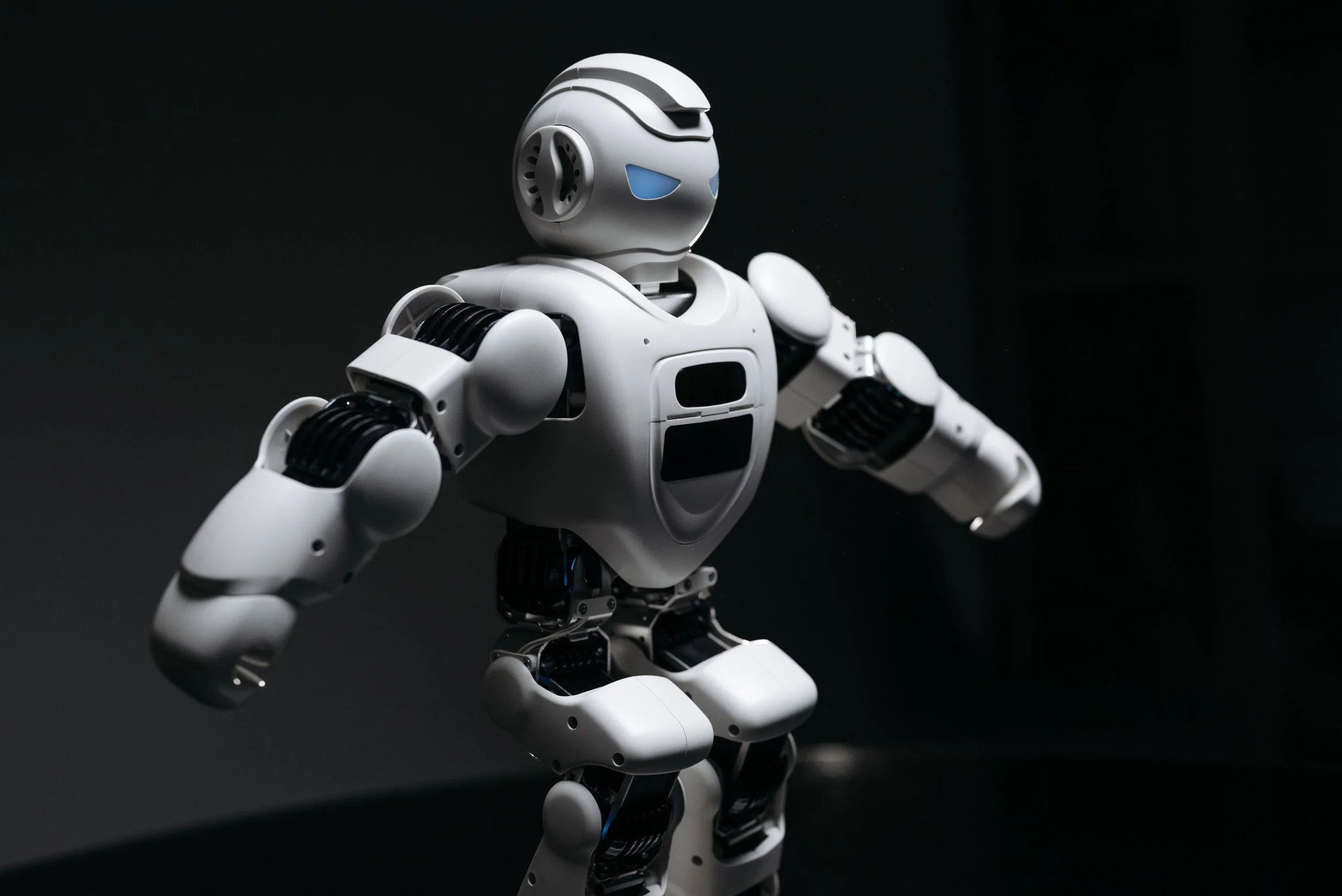
The Rise of Humanoid Robots in Manufacturing and Logistics
Although most deployments remain in pilot or controlled environments today, industry analysts believe humanoid robots will play an increasingly important role alongside traditional automation rather than replacing it outright.
The manufacturing and logistics industries are entering a new era of automation. While industrial robots have been a staple on factory floors for decades, a new generation of humanoid robots is beginning to reshape how businesses approach repetitive, physically demanding, and labor-intensive tasks.
Unlike a lot of traditional robotic arms that perform a single dedicated function, humanoid robots are designed to operate in environments built for humans. With two arms, two legs, advanced AI, machine vision, and sophisticated sensors, these robots can move through warehouses, handle materials, inspect products, and collaborate with human workers without requiring extensive modifications to existing facilities.
Although most deployments remain in pilot or controlled environments today, industry analysts believe humanoid robots will play an increasingly important role alongside traditional automation rather than replacing it outright.
Why Manufacturers Are Looking at Humanoid Robots
Manufacturers worldwide are facing growing challenges:
Labor shortages
Rising operating costs
Increased demand for flexible production
Pressure for faster order fulfillment
Higher expectations for workplace safety
Traditional industrial automation works exceptionally well for repetitive processes that rarely change. However, modern manufacturing requires greater flexibility.
Production lines change frequently. Product variations continue to increase. Warehouses handle thousands of different items daily. Businesses need automation that can quickly adapt without requiring expensive infrastructure changes.
Humanoid robots offer a promising solution because they are designed to work within existing human-centered environments.
Instead of redesigning an entire facility, companies can potentially deploy robots that use existing tools, walk through standard aisles, climb stairs, open doors, and operate equipment originally built for people.
What Makes Humanoid Robots Different?
Traditional robots excel at precision but typically remain fixed in one location.
Humanoid robots combine several advanced technologies into a single platform:
Artificial Intelligence
Modern AI enables robots to:
Understand instructions
Learn new tasks
Recognize changing environments
Make real-time decisions
Improve performance through experience
Computer Vision
Advanced cameras and sensors allow robots to:
Identify products
Detect obstacles
Read labels
Navigate warehouses
Perform quality inspections
Human-Like Mobility
Two-legged movement allows humanoid robots to access areas where wheeled robots may struggle, particularly facilities originally designed for human workers.
Dexterous Hands
Modern robotic hands can grasp tools, pick components, manipulate packages, and perform increasingly complex assembly operations.
These capabilities make humanoid robots far more versatile than traditional single-purpose automation.
Applications in Manufacturing
Manufacturing is one of the first industries expected to benefit from humanoid robotics.
Material Handling
Workers spend significant time transporting parts between workstations.
Humanoid robots can:
Carry bins
Deliver components
Move inventory
Replenish assembly lines
This allows employees to focus on higher-value production activities.
Assembly Assistance
Some assembly operations require flexibility that fixed robotic arms struggle to provide.
Humanoid robots can assist workers by:
Holding parts
Delivering tools
Performing repetitive fastening tasks
Completing secondary assembly operations
Rather than replacing skilled technicians, they function as intelligent assistants.
Quality Inspection
Vision-enabled humanoid robots can inspect products for:
Surface defects
Missing components
Incorrect assembly
Packaging issues
Consistent inspection improves product quality while reducing costly errors.
Machine Tending
Many factories require operators to load and unload CNC machines, presses, or molding equipment.
Humanoid robots can perform these repetitive tasks continuously, increasing machine utilization while reducing worker fatigue.
Transforming Warehouse Logistics
Warehousing presents another major opportunity for humanoid robotics.
Modern distribution centers process thousands of orders every hour.
Meeting customer expectations for same-day and next-day delivery requires unprecedented operational efficiency.
Humanoid robots are being evaluated for tasks including:
Order Picking
Picking individual items remains one of the most labor-intensive warehouse activities.
AI-powered robots can:
Locate products
Pick items from shelves
Place products into containers
Deliver completed orders
Package Sorting
Sorting thousands of packages by destination is repetitive work ideally suited for robotics.
Humanoid robots equipped with vision systems can identify labels, classify packages, and route shipments with remarkable consistency.
Loading and Unloading
Truck loading often involves repetitive lifting and awkward movements.
Humanoid robots can assist by:
Moving cartons
Stacking pallets
Loading trailers
Unloading deliveries
This reduces injuries while improving throughput.
Inventory Management
Robots can perform regular inventory counts using onboard cameras and AI, identifying misplaced items and updating warehouse management systems automatically.
Addressing Labor Shortages
Many manufacturers continue to struggle with recruiting workers for physically demanding jobs.
Humanoid robots provide an opportunity to fill positions that are difficult to staff while allowing human employees to focus on roles requiring creativity, judgment, and customer interaction.
Instead of replacing entire workforces, most organizations envision robots working collaboratively with people.
This collaborative approach improves productivity while reducing physical strain on employees.
Benefits for Industrial Businesses
Companies investing in advanced robotics can potentially achieve several competitive advantages.
Increased Productivity
Humanoid robots can operate continuously with minimal downtime, improving production capacity.
Improved Workplace Safety
Robots can perform hazardous tasks involving:
Heavy lifting
Repetitive movements
Dangerous environments
Extreme temperatures
This reduces workplace injuries and supports safer operations.
Greater Flexibility
Unlike fixed automation, humanoid robots can be retrained for new tasks as production requirements evolve.
Better Operational Efficiency
AI-powered robots generate operational data that helps optimize workflows, identify bottlenecks, and improve decision-making.
Challenges to Widespread Adoption
Despite rapid progress, humanoid robotics is still an emerging technology.
Several challenges remain before widespread deployment becomes commonplace.
Cost
Current humanoid robots represent a significant investment, although prices are expected to decline as production scales.
Battery Life
Long operating hours require improved battery technology or efficient charging solutions.
Safety Standards
Working safely alongside humans requires robust sensing systems, reliable software, and evolving industry standards.
Return on Investment
Organizations must carefully evaluate where humanoid robots deliver measurable business value compared with existing industrial robots, collaborative robots (cobots), and autonomous mobile robots (AMRs). Analysts note that, for the near term, many deployments will remain targeted pilots focused on specific workflows rather than broad replacement of existing automation.
The Future of Humanoid Robotics
Advances in artificial intelligence, machine learning, sensors, and robotics hardware are accelerating the development of capable humanoid systems.
Leading technology companies and robotics startups continue investing billions of dollars into improving mobility, perception, dexterity, and autonomous decision-making. Industry forecasts suggest commercialization will expand steadily throughout the coming decade, though adoption is expected to be gradual and focused on applications where humanoid form factors offer clear operational advantages.
For manufacturers and logistics providers, the future is unlikely to involve robots replacing people entirely.
Instead, it will be defined by intelligent collaboration between humans and machines.
Conclusion
Humanoid robots represent one of the most exciting developments in industrial automation. Their ability to navigate human-designed environments, perform multiple tasks, and collaborate with workers positions them as a valuable complement to existing manufacturing and logistics technologies.
While challenges around cost, safety, and scalability remain, ongoing advancements in AI and robotics are bringing practical industrial applications closer to reality.
Businesses that begin exploring humanoid robotics today will be better positioned to capitalize on the next wave of smart manufacturing and warehouse automation.
For organizations seeking to improve productivity, address labor shortages, and future-proof their operations, humanoid robots are becoming an increasingly compelling part of the automation landscape.
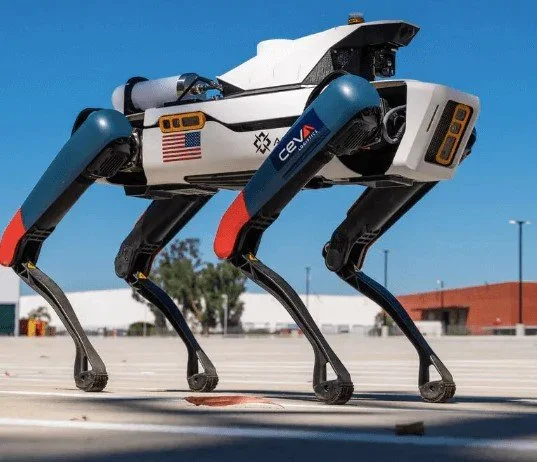
How Quadruped Robot Dogs Are Revolutionising Inspection and Security
Industrial facilities are becoming much smarter, more automated, and increasingly dependent on real-time data. Whether it's inspecting hazardous infrastructure, patrolling large industrial sites, or monitoring critical assets, businesses are searching for solutions that improve safety while reducing operational costs.
Industrial facilities are becoming much smarter, more automated, and increasingly dependent on real-time data. Whether it's inspecting hazardous infrastructure, patrolling large industrial sites, or monitoring critical assets, businesses are searching for solutions that improve safety while reducing operational costs.
One of the most exciting innovations leading this transformation is the Unitree A2 robot dog. Designed specifically for industrial environments, this advanced quadruped robot combines artificial intelligence, autonomous mobility, and sophisticated sensing technology to perform tasks that would otherwise expose personnel to unnecessary risk.
At RoboWorks, the Unitree A2 represents the next generation of autonomous robotics, offering organisations a practical way to modernise inspection, surveillance, and security operations.
Why Quadruped Robots Are Gaining Momentum
Unlike traditional wheeled robots, quadruped robots are built to navigate environments designed for humans rather than machines.
Factories, mines, warehouses, energy plants, construction sites, and infrastructure facilities all contain obstacles such as:
· Staircases
· Uneven terrain
· Pipes and cables
· Mud, gravel and loose surfaces
· Steep slopes
· Debris after natural disasters
A robot with four articulated legs can maintain balance while stepping over obstacles, climbing stairs, and traversing difficult terrain without requiring modifications to existing infrastructure.
The Unitree A2 takes this capability to an entirely new level with industrial-grade performance and advanced autonomous navigation.
Built for Demanding Industrial Environments
The Unitree A2 has been engineered for applications where reliability is critical.
Its lightweight aluminium alloy frame combines strength with agility while supporting demanding workloads. The robot can travel at speeds approaching 5 metres per second, climb slopes of approximately 45 degrees, negotiate obstacles up to 1 metre, and support static loads of up to 100kg.
The platform is also protected with industrial ingress ratings, making it suitable for outdoor environments where dust, rain, and harsh operating conditions are common.
These capabilities allow organisations to deploy the robot in locations that would challenge conventional inspection systems.
Smarter Infrastructure Inspection
Routine inspections are essential across industries, but they often consume valuable time and expose workers to unnecessary hazards.
Instead of sending personnel into dangerous environments, organisations can deploy the Unitree A2 to inspect:
· Electrical substations
· Manufacturing facilities
· Mining operations
· Chemical processing plants
· Oil and gas installations
· Water treatment facilities
· Renewable energy sites
· Construction projects
Using onboard cameras, LiDAR, and intelligent navigation, the robot can autonomously patrol predefined routes while collecting valuable operational data.
Inspection reports can include:
· High-definition images
· Video footage
· Thermal sensor integration (optional)
· Equipment condition monitoring
· Leak detection
· Obstacle identification
· Structural changes
· Environmental observations
Rather than replacing human expertise, the robot enables maintenance teams to focus on analysing issues instead of spending hours walking inspection routes.
Enhancing Workplace Safety
Some environments are simply too dangerous for frequent human access.
Examples include:
· High-voltage equipment
· Confined spaces
· Hazardous chemical areas
· Disaster zones
· Fire-damaged buildings
· Remote infrastructure
The Unitree A2 reduces risk by entering these areas first.
Its onboard sensors provide operators with real-time situational awareness while keeping personnel at a safe distance. Dual LiDAR systems provide 360-degree environmental perception, while HD cameras enable detailed visual inspections even in challenging conditions.
This capability is particularly valuable for emergency response teams that need immediate information before committing people to hazardous environments.
A New Standard for Security Patrols
Security is another area where quadruped robots are delivering measurable value.
Unlike fixed surveillance cameras, a robot dog actively patrols facilities and investigates areas that require closer inspection.
Potential security applications include:
· Warehouse patrols
· Industrial perimeter monitoring
· Remote facility surveillance
· Critical infrastructure protection
· Utility asset inspections
· Construction site monitoring
· After-hours security patrols
Because the Unitree A2 can move through complex environments, it provides coverage beyond the reach of fixed cameras or stationary monitoring systems.
When integrated with AI-powered analytics, the robot can identify unusual activity, detect unauthorised access, and transmit live video directly to security personnel for immediate response.
Operating Around the Clock
Industrial operations rarely stop, and neither should inspection systems.
The Unitree A2 features a dual battery system that supports extended operation and allows rapid battery replacement for continuous deployment. Depending on payload and operating conditions, it is designed for long-duration missions while minimising downtime.
This makes the platform suitable for:
· Overnight inspections
· Scheduled maintenance rounds
· Continuous security patrols
· Remote monitoring
· Multi-shift industrial operations
Autonomous scheduling also enables organisations to perform inspections more frequently without increasing labour costs.
AI-Powered Navigation
Modern inspection robots do far more than simply follow predefined routes.
The Unitree A2 combines multiple sensing technologies including:
· Dual industrial LiDAR
· HD camera systems
· Inertial measurement units
· Intelligent obstacle avoidance
· Autonomous mapping capabilities
These systems work together to create detailed environmental maps while continuously adjusting movement to changing conditions.
If equipment is relocated, pathways become blocked, or unexpected obstacles appear, the robot can intelligently navigate around them instead of requiring manual intervention.
This flexibility is essential for dynamic industrial workplaces where layouts frequently change.
Ready for Custom Integration
Every organisation has unique operational requirements.
The Unitree A2 supports open development using industry-standard software frameworks, allowing businesses and research teams to integrate custom applications, additional sensors, AI models, and specialised payloads.
Possible integrations include:
· Thermal imaging
· Gas detection
· Acoustic monitoring
· Radiation sensors
· Environmental monitoring
· Digital twins
· Asset management platforms
· Predictive maintenance software
This flexibility ensures the platform can continue evolving alongside future business needs.
Industries Benefiting from Quadruped Robotics
The versatility of the Unitree A2 makes it suitable across a wide range of sectors.
These include:
· Manufacturing
· Mining
· Utilities
· Defence support
· Construction
· Oil and gas
· Agriculture
· Logistics
· Warehousing
· Emergency services
· Infrastructure management
· Research institutions
As AI continues to mature, these robots are becoming valuable members of industrial teams rather than experimental technologies.
The Future of Industrial Robotics
The adoption of autonomous quadruped robots is accelerating because they solve genuine operational challenges.
They reduce risk.
They increase inspection frequency.
They improve data collection.
They lower operational costs.
Most importantly, they enable people to work more safely while allowing organisations to make faster, data-driven decisions.
The Unitree A2 robot dog demonstrates just how far robotic mobility has evolved, combining rugged hardware, intelligent autonomy, and industrial-grade reliability into a single platform capable of transforming inspection and security operations.
For organisations seeking to modernise asset monitoring, automate repetitive patrols, or improve workplace safety, quadruped robotics is no longer a vision of the future—it's an effective solution available today.
To learn more about the Unitree A2 robot dog and how it can support your inspection or security requirements, explore the solutions available from RoboWorks.
FAQ
What is the Unitree A2 robot dog used for?
The Unitree A2 is an industrial quadruped robot designed for inspection, security patrols, mapping, infrastructure monitoring, research, and hazardous environment operations.
Can the Unitree A2 operate autonomously?
Yes. The robot combines AI, LiDAR, cameras, and autonomous navigation technologies to perform inspection and patrol tasks with minimal human intervention.
Is the Unitree A2 suitable for outdoor use?
Yes. Its rugged construction, industrial ingress protection, and ability to navigate uneven terrain make it suitable for demanding indoor and outdoor industrial environments.
Can businesses customise the Unitree A2?
Absolutely. The platform supports open software development and integration with additional sensors, cameras, and industrial applications for specialised workflows.
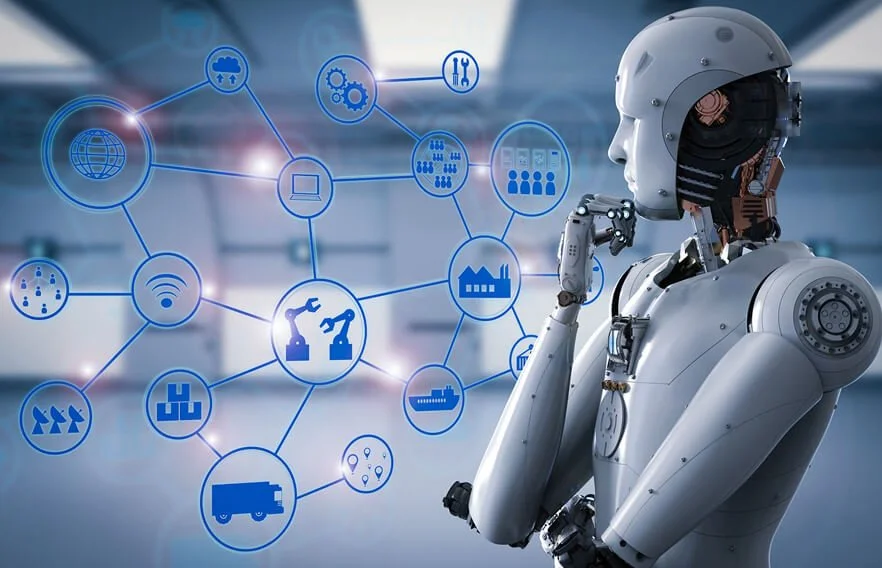
Humanoid Robots Explained: Current Uses and Future Possibilities
Humanoid robots have moved far beyond science fiction and research laboratories. Thanks to rapid advances in artificial intelligence (AI), machine vision, sensor technology, and robotics engineering, these machines are becoming practical tools for businesses, researchers, educators, and developers worldwide.
Humanoid robots have moved far beyond science fiction and research laboratories. Thanks to rapid advances in artificial intelligence (AI), machine vision, sensor technology, and robotics engineering, these machines are becoming practical tools for businesses, researchers, educators, and developers worldwide.
One of the most exciting developments in recent years is the Unitree R1 humanoid robot, a lightweight, AI-enabled platform designed to make humanoid robotics more accessible. With a starting price significantly lower than many competing platforms, the R1 demonstrates how quickly humanoid robots are evolving from experimental machines into practical technology.
In this article, we'll explore what humanoid robots are, where they're being used today, and what the future may hold.
What Is a Humanoid Robot?
A humanoid robot is a robot designed to resemble the human body. While not every model looks identical to a person, most feature:
· Two legs for walking
· Two arms for manipulation
· A head containing cameras and sensors
· Human-inspired joints for natural movement
· AI-powered perception and decision-making
Unlike traditional industrial robots that remain fixed in one location, humanoid robots are designed to move through environments built for humans. They can navigate stairs, open doors, carry objects, interact with tools, and communicate with people.
This makes them ideal for workplaces that were never designed specifically for automation.
Why Are Humanoid Robots Becoming Popular?
Several technologies have matured simultaneously:
· Artificial Intelligence
· Large Language Models (LLMs)
· Computer Vision
· Reinforcement Learning
· More affordable electric actuators
· Faster embedded processors
Together, these advances allow robots to better understand their surroundings, recognize objects, respond to spoken commands, and perform increasingly complex tasks.
The cost of hardware has also fallen dramatically, making platforms like the Unitree R1 available to universities, research labs, startups, and technology companies instead of only large corporations.
Current Uses of Humanoid Robots
Although fully autonomous household robots are still under development, humanoid robots are already delivering value across multiple industries.
Manufacturing
Factories are among the earliest adopters.
Humanoid robots can:
· Transport materials
· Pick and place components
· Perform quality inspections
· Operate tools
· Assist human workers with repetitive tasks
Their human-like design allows them to work inside existing production facilities without requiring major infrastructure changes.
Warehousing and Logistics
Modern warehouses increasingly rely on automation.
Humanoid robots can assist by:
· Moving packages
· Sorting inventory
· Loading shelves
· Delivering items between workstations
· Supporting order fulfillment
Because they can walk through spaces designed for people, they offer flexibility that traditional conveyor-based systems cannot.
Research and Education
Universities and robotics laboratories use humanoid robots to develop new AI algorithms and autonomous behaviors.
Researchers can experiment with:
· Machine learning
· Human-robot interaction
· Motion planning
· Object manipulation
· Navigation
· Autonomous decision making
Educational versions of robots often provide open software interfaces, enabling students to build custom robotics applications.
Healthcare Support
While humanoid robots are not replacing healthcare professionals, they can assist with routine tasks.
Potential applications include:
· Delivering supplies
· Greeting visitors
· Guiding patients
· Monitoring rooms
· Providing companionship
· Supporting rehabilitation exercises
As AI improves, these roles are expected to expand.
Hospitality and Customer Service
Hotels, airports, museums, and exhibition centers increasingly use robots for customer engagement.
Humanoid robots can:
· Welcome visitors
· Provide directions
· Answer common questions
· Demonstrate products
· Deliver presentations
Their human-like appearance often creates a more engaging experience than traditional kiosks.
The Unitree R1: Making Humanoid Robotics More Accessible
One of the newest additions to the humanoid robotics market is the Unitree R1.
Designed as an affordable entry point into advanced robotics, the R1 combines mobility, AI integration, and developer-friendly capabilities.
Key features include:
· Up to 26 degrees of freedom
· Approximately 29 kg weight
· Human-inspired movement
· Stereo vision cameras
· Four-microphone array
· Wi-Fi 6 and Bluetooth connectivity
· AI support for voice and image understanding
· Open interfaces for development and simulation
· Approximately one hour of battery life depending on usage
These capabilities make the R1 suitable for:
· AI research
· Robotics education
· Software development
· Human-robot interaction studies
· Product demonstrations
· Prototype automation projects
Rather than replacing workers immediately, robots like the R1 provide an affordable platform for organizations preparing for the future of intelligent automation.
Challenges Facing Humanoid Robots
Despite rapid progress, humanoid robots still face several technical challenges.
Dexterous Manipulation
Human hands remain extraordinarily difficult to replicate.
Robots continue improving at grasping and manipulating objects, but many delicate tasks still require human assistance.
Battery Life
Walking, balancing, and operating multiple motors consume significant energy.
Most current humanoid robots operate for around one hour before recharging or replacing batteries.
AI Decision Making
Although modern AI has become remarkably capable, robots still struggle with unexpected situations that humans handle naturally.
Researchers continue improving perception, reasoning, and autonomous planning.
Cost
Humanoid robots remain expensive compared to many specialized industrial robots.
However, new platforms like the Unitree R1 are significantly reducing the entry cost for businesses and developers.
Future Possibilities
The next decade is expected to bring substantial improvements in humanoid robotics.
Potential future applications include:
Home Assistance
Humanoid robots may eventually help with:
· Cleaning
· Laundry
· Cooking preparation
· Elderly assistance
· Home monitoring
Retail
Stores could use humanoid robots to:
· Restock shelves
· Guide customers
· Perform inventory checks
· Answer product questions
Construction
Future robots may assist with:
· Carrying materials
· Equipment setup
· Site inspections
· Dangerous tasks
Disaster Response
Humanoid robots could enter environments unsafe for humans, including:
· Earthquake zones
· Chemical spills
· Fire-damaged buildings
· Nuclear facilities
Space Exploration
NASA and private space companies continue exploring humanoid robots for missions where human mobility and tool usage are required.
Why Businesses Should Pay Attention
Humanoid robotics is evolving faster than many industries anticipated.
Organizations that begin experimenting today will gain valuable experience with:
· AI integration
· Autonomous systems
· Human-robot collaboration
· Robotics software development
· Future workforce automation
Affordable platforms like the Unitree R1 lower the barrier to entry, allowing companies to build expertise before widespread commercial adoption.
Final Thoughts
Humanoid robots are no longer distant concepts confined to research laboratories. They are becoming practical tools capable of supporting manufacturing, logistics, healthcare, education, customer service, and countless future applications.
While challenges remain in dexterity, battery technology, and autonomous reasoning, progress is accelerating at an impressive pace. Platforms such as the Unitree R1 humanoid robot demonstrate how advanced robotics is becoming increasingly accessible to businesses, developers, and educational institutions.
As artificial intelligence continues to evolve, humanoid robots are expected to play an increasingly important role in the future workforce. Companies that begin exploring this technology today will be better positioned to benefit from the next generation of intelligent automation
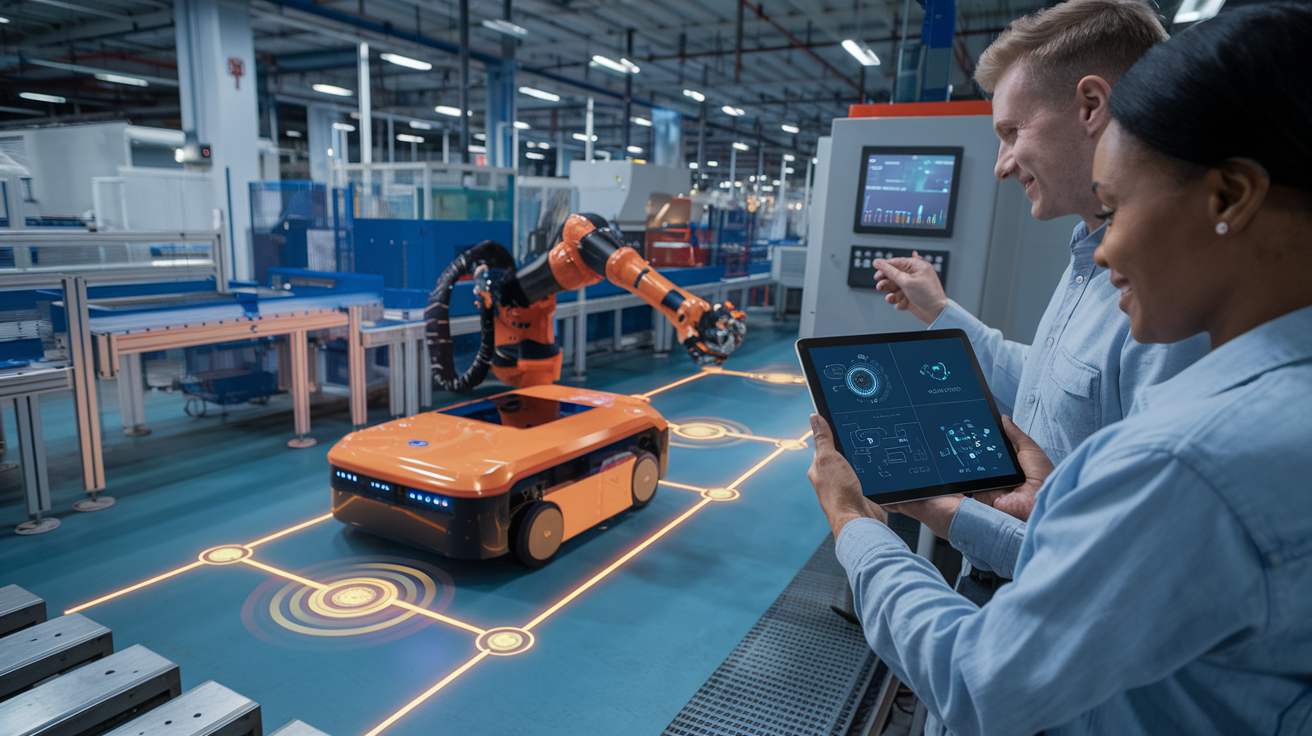
Autonomous Mobile Robots (AMRs) Explained: How They Are Transforming Modern Industries
As industries continue embracing Industry 4.0 technologies, AMRs have become one of the fastest-growing automation solutions. From warehouses and hospitals to agriculture, mining, education, and research, these robots are helping organizations reduce costs while improving productivity.
Unlike a lot of traditional automation systems, AMRs are intelligent, flexible, and capable of navigating dynamic environments without requiring fixed tracks or magnetic guidance systems. Powered by artificial intelligence, advanced sensors, LiDAR, cameras, and simultaneous localization and mapping (SLAM) technology, AMRs can safely move through changing environments while working alongside people.
As industries continue embracing Industry 4.0 technologies, AMRs have become one of the fastest-growing automation solutions. From warehouses and hospitals to agriculture, mining, education, and research, these robots are helping organizations reduce costs while improving productivity.
What Is an Autonomous Mobile Robot (AMR)?
An Autonomous Mobile Robot (AMR) is a self-navigating robot capable of understanding its environment, planning routes, avoiding obstacles, and completing assigned tasks without human intervention.
Unlike Automated Guided Vehicles (AGVs), which typically follow predefined paths using magnetic tape, wires, or markers, AMRs make real-time navigation decisions using onboard sensors and intelligent software. This flexibility allows them to adapt instantly to changing surroundings, making them ideal for modern workplaces where layouts and workflows frequently change.
Typical AMRs include:
· Material transport robots
· Warehouse picking robots
· Inspection robots
· Service robots
· Agricultural robots
· Research and educational robotics platforms
How AMRs Navigate Their Environment
One of the biggest advantages of AMRs is their ability to move independently.
They typically combine several advanced technologies, including:
· LiDAR sensors
· Depth cameras
· AI-powered vision systems
· GPS (for outdoor applications)
· IMUs (Inertial Measurement Units)
· SLAM mapping technology
· Machine learning algorithms
These technologies allow an AMR to continuously create and update a digital map of its surroundings while safely avoiding people, equipment, and unexpected obstacles. Instead of stopping when something blocks its path, an AMR can simply calculate an alternative route and continue working.
Industries Being Transformed by AMRs
Manufacturing
Manufacturers use AMRs to automate internal logistics by transporting raw materials, components, and finished products between workstations.
This reduces manual handling, minimizes production delays, and allows skilled employees to focus on higher-value tasks.
Because AMRs can operate around the clock, manufacturers benefit from increased throughput and consistent productivity.
Warehousing and Logistics
Warehouses are among the largest adopters of AMRs.
These robots can:
· Transport inventory
· Deliver pallets
· Support picking operations
· Replenish stock
· Assist packing stations
Rather than replacing workers, AMRs work collaboratively with warehouse staff, reducing walking time and improving order fulfillment accuracy. Many organizations report significant productivity improvements and faster return on investment after deploying AMRs.
Healthcare
Hospitals increasingly rely on AMRs to transport medications, medical equipment, laboratory samples, and supplies.
Automating routine deliveries helps reduce staff workload while improving operational efficiency and allowing healthcare professionals to spend more time caring for patients.
Agriculture
Modern agriculture is becoming increasingly automated.
AMRs are now used for:
· Crop monitoring
· Fruit harvesting
· Precision spraying
· Field mapping
· Soil analysis
Roboworks has developed robotic platforms such as the Pickerbot family that demonstrate how autonomous robots can assist with delicate harvesting tasks while supporting research into future agricultural automation.
Mining and Construction
Mining and construction sites often involve repetitive inspection and transportation tasks in challenging environments.
AMRs improve worker safety by handling hazardous operations while collecting valuable operational data and performing routine inspections.
Key Benefits of Autonomous Mobile Robots
Increased Productivity
AMRs operate continuously with minimal downtime, helping organizations complete repetitive tasks faster and more consistently than manual processes.
Enhanced Safety
Modern AMRs incorporate multiple safety systems that detect nearby people and obstacles, allowing them to safely operate alongside human workers.
Greater Flexibility
Unlike fixed automation systems, AMRs require little or no infrastructure changes.
Businesses can quickly redeploy robots as production layouts evolve.
Lower Operating Costs
Although AMRs require an initial investment, businesses often achieve long-term savings through reduced labor costs, fewer operational errors, and improved efficiency.
Scalability
As business demands grow, additional AMRs can be integrated into existing fleets without major facility modifications.
Why ROS Matters for AMRs
Many advanced AMRs are built using Robot Operating System (ROS) or ROS 2.
ROS has become the industry standard robotics framework because it provides modular software architecture, extensive developer tools, and compatibility with thousands of robotics libraries.
For universities, research institutions, and robotics developers, ROS dramatically accelerates prototyping while simplifying navigation, perception, AI integration, and fleet management.
Roboworks: Supporting the Future of Autonomous Robotics
Roboworks provides a wide range of ROS-compatible autonomous mobile robots designed for education, research, commercial development, and industrial applications.
Its portfolio includes:
· Rosbot educational and research platforms
· Mecabot omnidirectional mobile robots
· Pickerbot agricultural robots
· Multi-agent robotic systems
· ROS and ROS 2 compatible development platforms
These platforms support rapid prototyping, AI development, autonomous navigation, SLAM research, and commercial robotics innovation. Roboworks also offers tutorials, technical resources, and customer support that help organizations accelerate robotics development while reducing implementation complexity.
The Future of AMRs
The adoption of Autonomous Mobile Robots is only expected to accelerate as artificial intelligence, computer vision, edge computing, and robotics software continue advancing.
Future AMRs will feature:
· Improved AI decision-making
· Better human-robot collaboration
· Smarter fleet coordination
· Increased autonomy
· Enhanced predictive maintenance
· Cloud-connected robotics ecosystems
Organizations investing in AMRs today are positioning themselves to remain competitive in an increasingly automated world.
Conclusion
Autonomous Mobile Robots have evolved from experimental research projects into practical business solutions that are transforming industries worldwide. Their ability to navigate independently, adapt to changing environments, and automate repetitive tasks makes them one of the most valuable technologies driving Industry 4.0.

What Is ROS 2? A Beginner's Guide to the Future of Robot Programming
From autonomous mobile robots (AMRs) and warehouse automation to robot dogs and humanoid robots, ROS 2 provides the software foundation that allows robots to perceive their environment, make decisions, and interact safely with the world.
In this beginner's guide, we'll explain what ROS 2 is, why it matters, and how you can start developing robots using this powerful open-source framework.
From autonomous mobile robots (AMRs) and warehouse automation to robot dogs and humanoid robots, ROS 2 provides the software foundation that allows robots to perceive their environment, make decisions, and interact safely with the world.
In this beginner's guide, we'll explain what ROS 2 is, why it matters, and how you can start developing robots using this powerful open-source framework.
What Is ROS 2?
Despite its name, ROS 2 (Robot Operating System 2) is not actually an operating system. Instead, it's a collection of software libraries, tools, and communication frameworks that simplify the development of robotic applications.
ROS 2 allows developers to build complex robotic systems by connecting individual software components—known as nodes—that handle tasks such as:
· Sensor data processing
· Navigation
· Object detection
· Motion planning
· Robot control
· Artificial intelligence integration
Rather than building anything & everything from scratch, developers can reuse thousands of community-developed packages, dramatically reducing development time while improving reliability. ROS 2 has become the preferred platform for modern robotics because of its improved reliability, scalability, and support for commercial deployments. https://www.roboworks.net/
Why Was ROS 2 Created?
The original ROS platform transformed robotics research but wasn't designed for today's industrial environments.
ROS 2 was developed to overcome those limitations by introducing:
· Better real-time performance
· Improved security
· Cross-platform support (Linux, Windows, and macOS)
· Reliable communication using DDS (Data Distribution Service)
· Multi-robot communication
· Greater scalability for commercial robotics
These improvements make ROS 2 suitable not only for universities and research labs but also for manufacturing, logistics, agriculture, healthcare, and autonomous delivery systems.
Key Features of ROS 2
One reason ROS 2 has become the industry standard is its modular design.
Some of its most valuable features include:
Modular Architecture
Developers can build robots using reusable software modules, making projects easier to maintain and expand.
Real-Time Communication
ROS 2 enables robots to process information quickly, which is essential for obstacle avoidance, navigation, and industrial automation.
Hardware Compatibility
ROS 2 supports cameras, LiDAR, IMUs, GPS, robotic arms, motor controllers, and many other devices through an extensive ecosystem of drivers.
Large Open-Source Community
Thousands of developers worldwide contribute packages, tutorials, and improvements, making ROS 2 one of the most active robotics platforms available.
Where Is ROS 2 Used?
Today, ROS 2 powers robots across numerous industries, including:
· Autonomous Mobile Robots (AMRs)
· Warehouse automation
· Industrial inspection robots
· Agricultural robots
· Research robots
· Humanoid robots
· Quadruped robot dogs
· Educational robotics
Its flexibility allows organisations to prototype new robotic systems quickly before deploying them into real-world environments.
Why Learn ROS 2?
Learning ROS 2 opens the door to one of the fastest-growing technology sectors.
Engineers with ROS 2 experience are increasingly sought after in industries such as manufacturing, logistics, defence, healthcare, mining, and autonomous vehicles.
For students and researchers, ROS 2 provides access to cutting-edge robotics tools used by universities and research institutions around the world.
Because it's open source, beginners can start learning without expensive software licences while benefiting from a vast ecosystem of tutorials and community resources.
Getting Started with ROS 2
The best way to learn ROS 2 is by working with real robots.
At Roboworks, we provide a wide range of ROS 2-compatible robots for education, research, and commercial applications. Our portfolio includes autonomous mobile robots, quadruped robots, humanoid robots, and mecanum wheel platforms designed for hands-on development.
In addition to hardware, Roboworks offers comprehensive ROS 2 tutorials and training modules that guide beginners through robot programming, navigation, SLAM, and autonomous operation. These resources help learners progress from basic concepts to advanced robotics projects.
Final Thoughts
As robotics continues to transform industries around the world, ROS 2 has established itself as the leading software framework for developing intelligent robots.
Its modular architecture, powerful communication system, extensive hardware support, and thriving open-source community make it an ideal choice for beginners and experienced developers alike.
Whether you're building your first educational robot or developing an advanced autonomous mobile robot, investing time in learning ROS 2 is one of the smartest steps you can take.
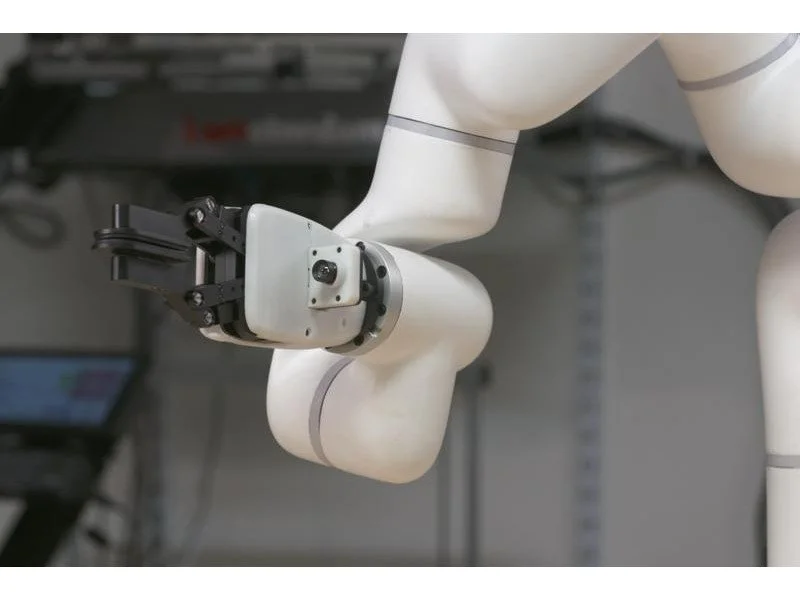
UFactory Robot Arm: The Smart Automation Solution for Modern Manufacturing
As manufacturers continue to embrace automation, collaborative robots (cobots) have become an essential tool for improving efficiency, accuracy, and workplace safety. Among the leading solutions available today, the UFactory robot arm stands out for its flexibility, affordability, and ease of integration.
The UFactory xArm series is designed to help a wide range of businesses automate repetitive tasks while maintaining the flexibility needed for changing production environments. Available in multiple configurations, including 5-axis, 6-axis, and 7-axis models, these robotic arms are widely used in manufacturing, research, education, laboratory automation, machine tending, inspection, and pick-and-place operations. The xArm series offers payload capacities ranging from 3 kg to 5 kg with repeatability as precise as ±0.1 mm, making it suitable for high-precision industrial applications.
Why Choose a UFactory Robot Arm?
One of the biggest advantages of the UFactory robot arm is its user-friendly design. Unlike traditional industrial robots that often require specialized programming knowledge, UFactory provides intuitive graphical programming tools alongside support for Python, C++, ROS, and ROS2 environments. This allows both beginners and advanced users to deploy automation projects quickly.
The lightweight carbon-fiber construction makes installation easier while maintaining industrial-grade durability. Combined with collaborative safety features, UFactory cobots can work alongside human operators in many applications without requiring extensive safety barriers.
Common Applications
Businesses across various industries use UFactory robot arms for:
· Pick-and-place operations
· Machine tending
· Quality inspection
· Packaging and palletizing
· Laboratory automation
· Educational robotics
· AI and computer vision research
· Assembly processes
The xArm 6 model, in particular, has become a popular choice due to its balance of payload capacity, precision, and affordability.
Questions and Answers About UFactory Robot Arms
What is a UFactory robot arm?
A UFactory robot arm is a collaborative robotic system designed to automate industrial and research tasks. The xArm series includes several models with different payload capacities and degrees of freedom to suit various applications.
What industries use UFactory robots?
UFactory robots are used in manufacturing, electronics, education, logistics, laboratory automation, research institutions, and AI development projects.
How accurate is the UFactory xArm?
Most xArm models offer repeatability of ±0.1 mm, making them ideal for precision assembly, inspection, and material handling tasks.
Is the UFactory robot arm easy to program?
Yes. UFactory provides graphical programming tools, hand-guiding capabilities, and support for Python, ROS, ROS2, and C++ programming environments.
What payload can a UFactory robot arm handle?
Depending on the model, payload capacities range from 3 kg to 5 kg. The xArm 6 supports up to 5 kg, while the xArm 5 supports 3 kg and the xArm 7 supports 3.5 kg.
Can UFactory robots be integrated with vision systems?
Yes. UFactory robot arms support machine vision and AI applications, making them suitable for inspection, object recognition, and advanced automation tasks.
Are UFactory robots suitable for small businesses?
Absolutely. Their competitive pricing, ease of deployment, and flexible programming make them an excellent automation solution for small and medium-sized businesses looking to increase productivity without large capital investments.
Final Thoughts
The UFactory robot arm offers an excellent balance of performance, flexibility, and affordability. Whether you're automating a production line, conducting robotics research, or improving laboratory workflows, the xArm series provides a scalable solution that can grow with your business. With intuitive programming, collaborative operation, and industrial-grade precision, UFactory continues to be a trusted choice for organizations seeking practical automation solutions.
To learn more about integrating UFactory robotic arms into your operations, contact RoboWorks for expert guidance and automation support.
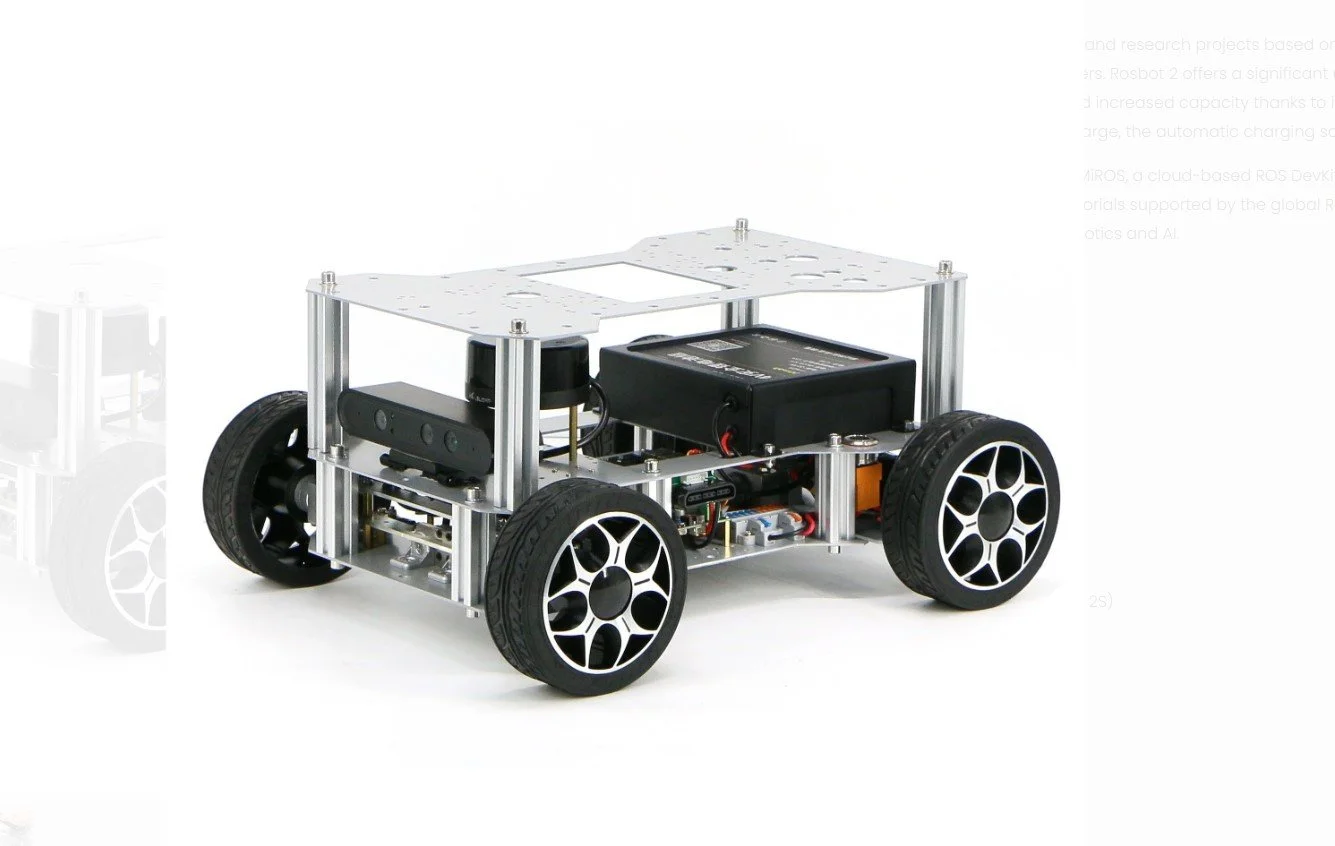
Roboworks Services Explained: Advanced Robotics Solutions for Education, Research and Industry
Roboworks develops and supplies robotics technologies designed for real-world applications while making advanced robotics more accessible for students, engineers, and researchers. Their ecosystem combines hardware, software, training, and support services that help users move from learning concepts to building practical robotic systems
The robotics industry is evolving rapidly, with businesses, universities, researchers, and educators increasingly searching for reliable robotics platforms that combine innovation with practical usability. Roboworks has positioned itself as a provider of robotics solutions that support education, research, industrial development, and autonomous robotics applications. Their focus on ROS-compatible systems, educational robots, humanoid robotics, and robotics training creates opportunities for organizations and individuals looking to accelerate robotics adoption.
Roboworks develops and supplies robotics technologies designed for real-world applications while making advanced robotics more accessible for students, engineers, and researchers. Their ecosystem combines hardware, software, training, and support services that help users move from learning concepts to building practical robotic systems.
Educational Robotics Platforms
One of the best core services offered by Roboworks is providing programmable educational robots designed for learning and experimentation. Educational robotics platforms are specifically designed to help students and developers understand robotics concepts without requiring users to build complex systems from scratch.
Their educational robots support programming, autonomous navigation, AI experimentation, and robotics research projects. This makes them suitable for universities, technical institutions, robotics clubs, and STEM education programs. Many of these platforms are designed around ROS and ROS 2 environments, helping students gain valuable industry skills.
ROS and ROS 2 Robotics Solutions
Roboworks strongly emphasizes Robot Operating System (ROS) compatibility. ROS is one of the most widely adopted frameworks for robotics development because it enables modular design, faster experimentation, and easier integration of sensors and software.
Roboworks offers robots and development environments that support ROS and ROS 2 workflows, allowing users to create navigation systems, autonomous movement, machine vision applications, and AI-powered robotics projects. Their ecosystem also supports cloud-based development and simplified ROS deployment workflows.
Autonomous Mobile Robots and Research Platforms
Research institutions often require flexible robotics platforms that support rapid prototyping and experimentation. Roboworks provides autonomous mobile robots designed for research applications involving navigation, obstacle avoidance, SLAM mapping, and autonomous systems.
These platforms are suitable for:
· Robotics research laboratories
· Autonomous navigation projects
· AI experimentation
· Multi-agent robotic systems
· Industrial research applications
Platforms such as ROS-compatible mobile robots help researchers accelerate development without extensive hardware integration work.
Humanoid and Quadruped Robotics Solutions
Roboworks also offers access to advanced humanoid and quadruped robotic platforms. These robots are increasingly used in education, research, entertainment, inspection, and industrial automation environments.
Humanoid robots support human-robot interaction studies, mobility research, and AI applications. Quadruped robots provide mobility advantages in challenging environments and can support industrial inspection, research, and autonomous navigation use cases. Advanced sensing technologies, LiDAR integration, and software extensibility expand their functionality.
Robotics Training and Support Services
Providing robotics hardware is only one part of the equation. Roboworks also supports customers with tutorials, technical resources, software tools, and training programs that simplify robotics adoption.
Their support ecosystem includes:
· Robotics tutorials
· Software documentation
· Training resources
· Cloud development tools
· Remote access capabilities
· Programming assistance
This approach helps organizations reduce barriers to robotics implementation and shorten learning curves for new users.
Frequently Asked Questions
What industries can benefit from Roboworks services?
Roboworks solutions support education, manufacturing, research, automation, logistics, AI development, and robotics experimentation. Their robotics platforms are adaptable across multiple sectors.
Does Roboworks support ROS and ROS 2?
Yes. Many Roboworks platforms are specifically designed for ROS and ROS 2 compatibility, enabling easier robotics development and software integration.
Are Roboworks robots suitable for universities?
Yes. Educational institutions commonly use programmable robotics platforms for STEM education, AI training, robotics competitions, and research activities.
What types of robots does Roboworks provide?
Their offerings include autonomous mobile robots, humanoid robots, quadruped robots, robotic arms, educational robots, and research platforms.
Does Roboworks provide technical support?
Yes. Support resources include tutorials, cloud tools, programming support, and technical documentation to assist customers with implementation and development.
Conclusion
As robotics becomes increasingly important across industries, organizations need partners that provide more than hardware alone. Roboworks combines robotics platforms, education tools, software ecosystems, and technical support to help customers develop robotics capabilities faster. Whether the goal is education, research, automation, or autonomous robotics development, their ecosystem provides scalable solutions for multiple use cases.
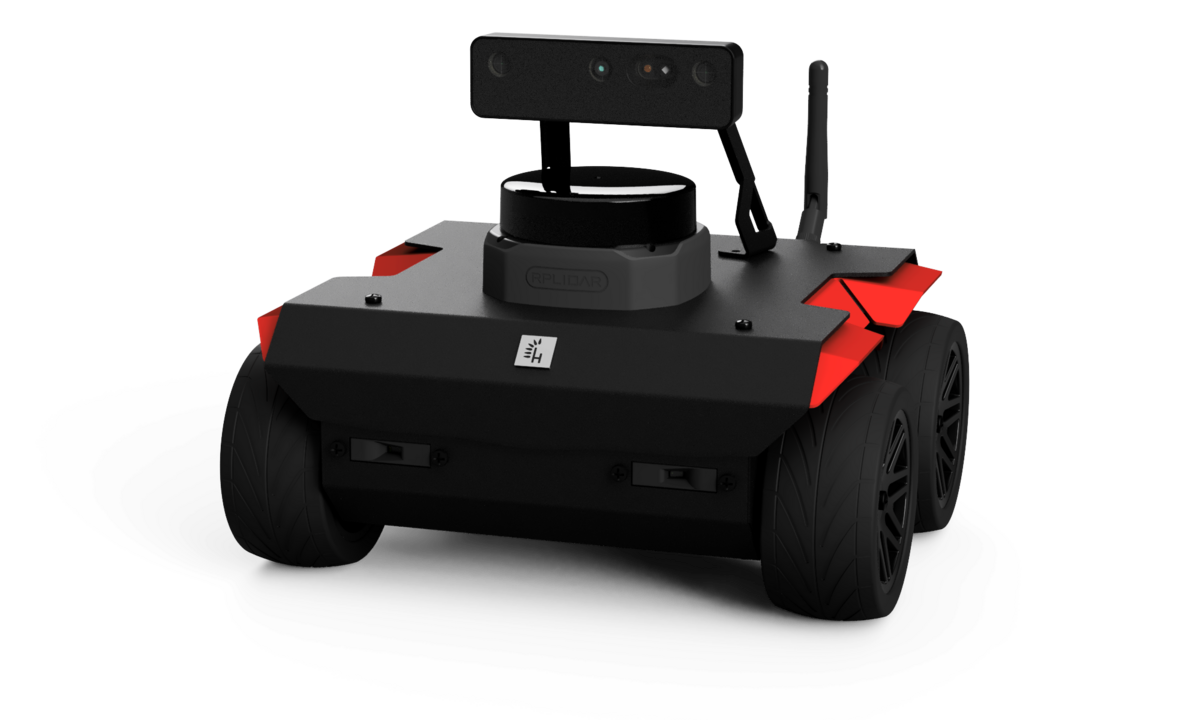
What Is Rosbot? Questions and Answers About the Popular ROS Robot Platform
Rosbot is an autonomous mobile robot platform that supports ROS and ROS 2 development. It combines onboard computing, LiDAR, cameras, motor controllers, and power management into a compact robotics system. Roboworks offers several Rosbot models including the Rosbot Pro, Rosbot Plus, and Rosbot 2, each designed for different robotics applications
What Is Rosbot?
Rosbot is an autonomous mobile robot platform that supports ROS and ROS 2 development. It combines onboard computing, LiDAR, cameras, motor controllers, and power management into a compact robotics system. Roboworks offers several Rosbot models including the Rosbot Pro, Rosbot Plus, and Rosbot 2, each designed for different robotics applications.
Why Is Rosbot Popular?
Rosbot is a very popular because it allows users to start developing robotics applications quickly without building hardware from scratch. It comes pre-configured with ROS-compatible components and supports advanced technologies such as SLAM, autonomous navigation, obstacle avoidance, and computer vision. Many developers use Rosbot for rapid prototyping and robotics research.
What Can Rosbot Be Used For?
Rosbot platforms are suitable for:
· Autonomous mobile robot projects
· ROS and ROS 2 education
· AI and computer vision development
· SLAM and navigation research
· Service robot prototyping
· Outdoor field robotics
· Warehouse and logistics automation
The Rosbot Plus model is especially useful for outdoor environments thanks to its independent suspension system and rugged wheels.
What Hardware Does Rosbot Include?
Depending on the model, Rosbot systems may include:
· NVIDIA Jetson Orin Nano or Orin NX controllers
· LiDAR sensors
· Depth cameras
· ROS 2 Humble pre-installed
· Wireless remote control support
· Battery swap systems
· Auto charging capabilities
These integrated features save developers significant setup time.
Is Rosbot Good for Learning ROS?
Yes. Rosbot is widely used in robotics education because it provides a practical way to learn ROS concepts such as navigation, sensor integration, mapping, and robotic control. Its open architecture allows students and researchers to experiment with custom applications and AI-based robotics workflows.
Which Rosbot Model Should You Choose?
The best Rosbot depends on your project needs:
· Rosbot 2 — ideal for education and indoor research
· Rosbot Pro — excellent for professional AMR development
· Rosbot Plus — best for rugged outdoor robotics projects
Each model supports ROS development while offering different payload capacities and mobility features.
As robotics and AI continue to evolve, platforms like Rosbot help developers accelerate innovation while reducing development complexity. For anyone interested in autonomous robotics, Rosbot provides a reliable and scalable starting point
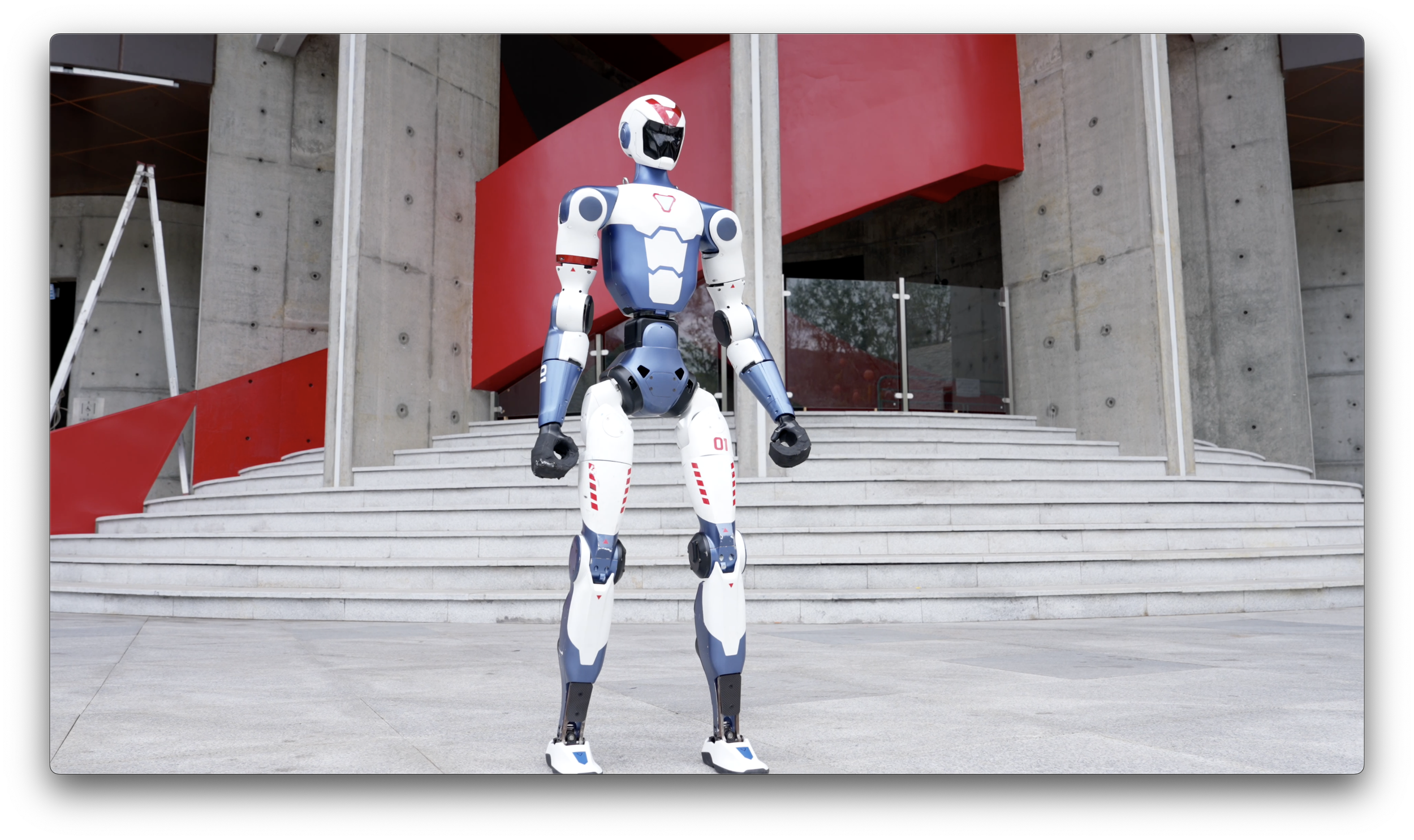
AgileX PiPER: A Compact Robotic Arm Powering the Future of Automation
At its core, PiPER is a 6-degree-of-freedom (6-DOF) robotic arm designed for smooth, accurate motion. With a payload capacity of 1.5 kg, repeatability of ±0.1 mm, and a reach of approximately 626 mm
At its core, PiPER is a 6-degree-of-freedom (6-DOF) robotic arm designed for smooth, accurate motion. With a payload capacity of 1.5 kg, repeatability of ±0.1 mm, and a reach of approximately 626 mm, it is well-suited for tasks that demand consistent precision. Despite its capabilities, the arm weighs only about 4.2 kg, making it easy to deploy in labs, classrooms, or even mobile robotic platforms.
One of PiPER’s best features is its developer-friendly ecosystem. It supports both ROS1 and ROS2, along with a Python API, enabling seamless integration into robotics workflows, AI systems, and automation pipelines. This open-source compatibility allows users to rapidly prototype and experiment without being locked into proprietary systems.
Beyond technical specifications, PiPER is designed for accessibility. Its intuitive interface, drag-teaching capability, and preloaded software packages allow users to get started quickly—even with minimal prior experience. This makes it particularly valuable for education and research environments, where ease of use and flexibility are critical.
Additionally, PiPER is built to operate in demanding conditions, functioning reliably in temperatures ranging from -20°C to 50°C. This durability expands its use cases beyond controlled lab environments to more challenging industrial or field settings.
Questions and Answers
Q: What is the AgileX PiPER used for?A: It is commonly used for robotics research, education, AI development, and light automation tasks such as pick-and-place operations.
Q: Is PiPER suitable for beginners?A: Yes, its intuitive interface and drag-teaching features make it accessible for beginners while still offering advanced tools for developers.
Q: What software does PiPER support?A: PiPER supports ROS1, ROS2, and Python APIs, making it compatible with modern robotics and AI development environments.
Q: Can PiPER be used in harsh environments?A: Yes, it is designed to operate in temperatures from -20°C to 50°C, ensuring reliability in diverse conditions.
In summary, the AgileX PiPER is a versatile, developer-friendly robotic arm that bridges the gap between education, research, and real-world automation—making it a smart investment for anyone looking to explore the future of robotics
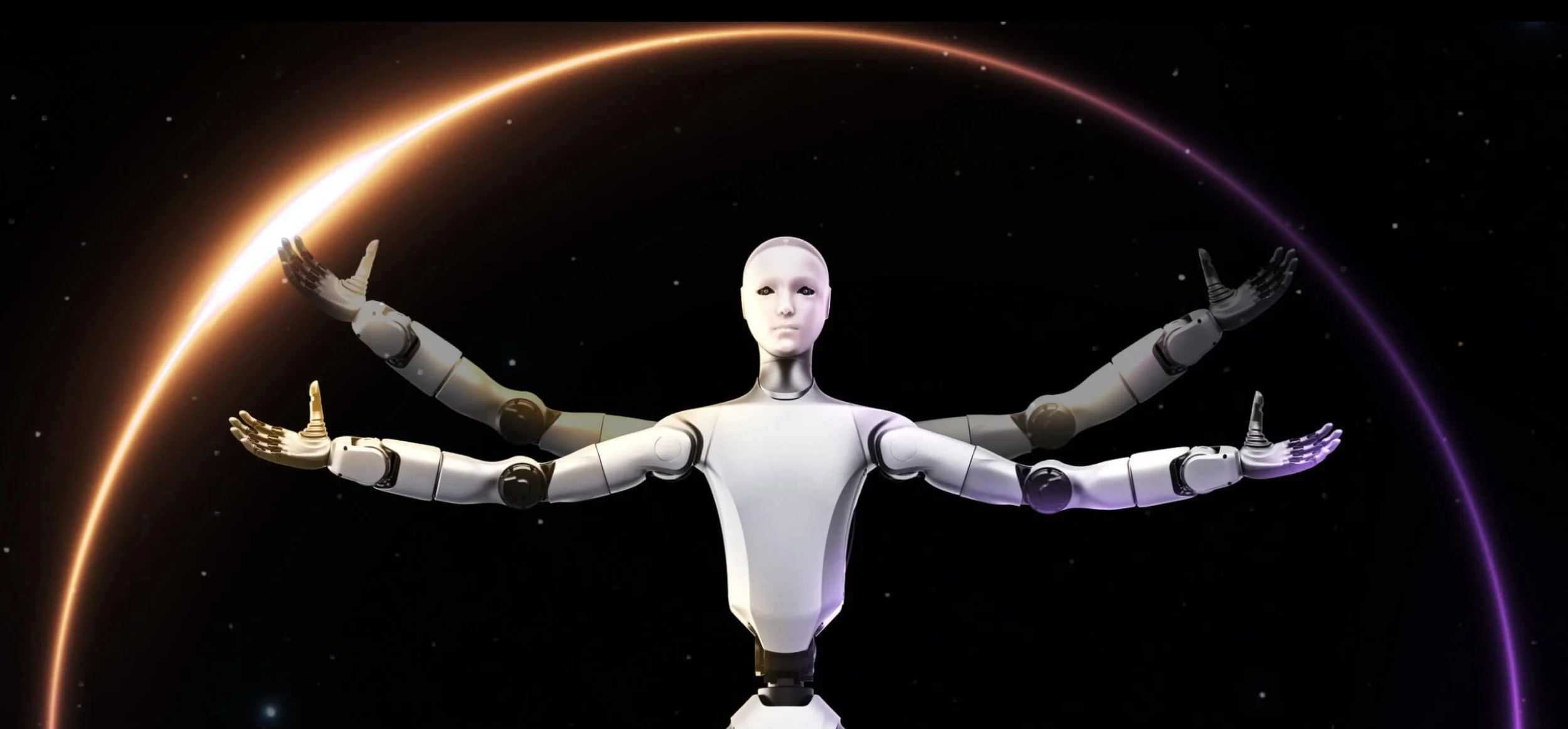
The Rise of the Unitree Humanoid Robot
Humanoid robotics has entered an exciting new phase, and one of the companies leading the charge is Unitree Robotics. Known for its agile quadruped robots, the company has expanded into advanced humanoid systems such as the Unitree H1 and Unitree G1. These machines represent a major step forward in the development of robots capable of performing tasks in environments designed for humans.
Humanoid robotics has entered an exciting new phase, and one of the companies leading the charge is Unitree Robotics. Known for its agile quadruped robots, the company has expanded into advanced humanoid systems such as the Unitree H1 and Unitree G1. These machines represent a major step forward in the development of robots capable of performing tasks in environments designed for humans.
Humanoid robots are designed to mimic human form and movement, allowing them to interact naturally with tools, machinery, and workplaces built for people. With rapid advances in artificial intelligence, sensors, and mechanical engineering, robots like those developed by Unitree are becoming increasingly capable and practical for real-world applications.
Advanced Mobility and Performance
One of the standout features of the Unitree H1 is its exceptional mobility. Standing roughly 1.8 meters tall and weighing around 47 kilograms, the robot is designed with powerful motors and precision joints that allow it to walk, run, and maintain balance in complex environments. It can reach speeds of approximately 3.3 meters per second and uses a combination of 3D LiDAR and depth cameras to perceive its surroundings and navigate autonomously.
The smaller Unitree G1 offers a more compact and accessible humanoid platform. At around 1.32 meters tall and weighing about 35 kilograms, it includes up to 23–43 joint motors that allow for highly flexible movement and dexterity. This makes it an ideal platform for research, development, and experimentation with humanoid robotics.
These robots are capable of surprisingly dynamic movements. Demonstrations have shown Unitree humanoids performing complex actions such as running, spinning, martial-arts style motions, and even acrobatic flips, highlighting the remarkable progress in robot balance and control systems.
Applications Across Industries
Humanoid robots like the H1 and G1 have the potential to transform multiple industries. In manufacturing, they could perform repetitive tasks alongside human workers. In logistics and warehousing, humanoid robots may assist with material handling and inventory management.
Healthcare is another promising field. Researchers are already exploring the use of humanoid robots to assist with medical procedures and patient care through teleoperation and advanced manipulation capabilities.
The Future of Human-Robot Collaboration
The development of humanoid robots is accelerating rapidly as AI and robotics converge. Companies like Unitree Robotics are helping make these technologies a lot more affordable and accessible, pushing humanoid robots from research labs into real-world environments.
As the technology matures, humanoid robots may soon become valuable partners in workplaces, assisting humans with complex, dangerous, or repetitive tasks. With continuous improvements in artificial intelligence, perception, and dexterity, the future of humanoid robotics is closer than ever—and it promises to reshape how humans and machines work together.